
Product
Product
Supplier
Search
Get Quote
730 people are quoting

CPPU, chemically known as Forchlorfenuron, is a cytokinin-type plant growth regulator used in agricultural formulations. It is also known as KT-30. Technical CPPU is generally supplied as a white to off-white crystalline powder and can be further formulated into soluble liquids and soluble powders.
Commercial technical material is commonly standardized at 98%–99% TC. Finished formulations are available at substantially lower concentrations, including 0.1% SL, 1% SP, and 2% SP. Liquid formulations typically appear colorless to pale yellow and transparent, while soluble powder products are generally white.
CPPU is primarily used in crop-management formulations for fruit development and cell-division-related applications. Grapes, kiwifruit, melons, and other fruit crops represent typical application categories. It can also be incorporated into compatible fertilizer and foliar formulation systems.
| Item | Specification |
|---|---|
| Product Name | CPPU Forchlorfenuron |
| Alternative Name | KT-30 |
| Product Category | Cytokinin-type plant growth regulator |
| Technical Material Form | Crystalline powder |
| Technical Grade | 98%–99% TC |
| Technical Appearance | White to off-white crystalline powder |
| Formulation Types | Soluble liquid, soluble powder |
| Typical Liquid Grade | 0.1% SL |
| Typical Powder Grades | 1% SP, 2% SP |
| Liquid Appearance | Colorless to pale yellow transparent liquid |
| Powder Formulation Appearance | White powder |
| Main Assay | HPLC |
| Typical Crop Categories | Grapes, kiwifruit, melons, fruit crops |
| Reference Standard | NY/T 4570-2025 |
| Documentation | COA available |
CPPU is associated with cytokinin-type activity and is used in formulations designed for controlled plant growth management. Because technical material has a much higher active concentration than finished agricultural formulations, the product grade and concentration should always be identified clearly.
Important formulation characteristics include:
When preparing finished products from technical CPPU, formulators should consider active concentration, dissolution or dispersion behavior, pH, solvent system, and interactions with other ingredients.
Uniform distribution is particularly important in low-concentration formulations. Stability testing should therefore evaluate the complete formulation under its intended manufacturing and storage conditions.
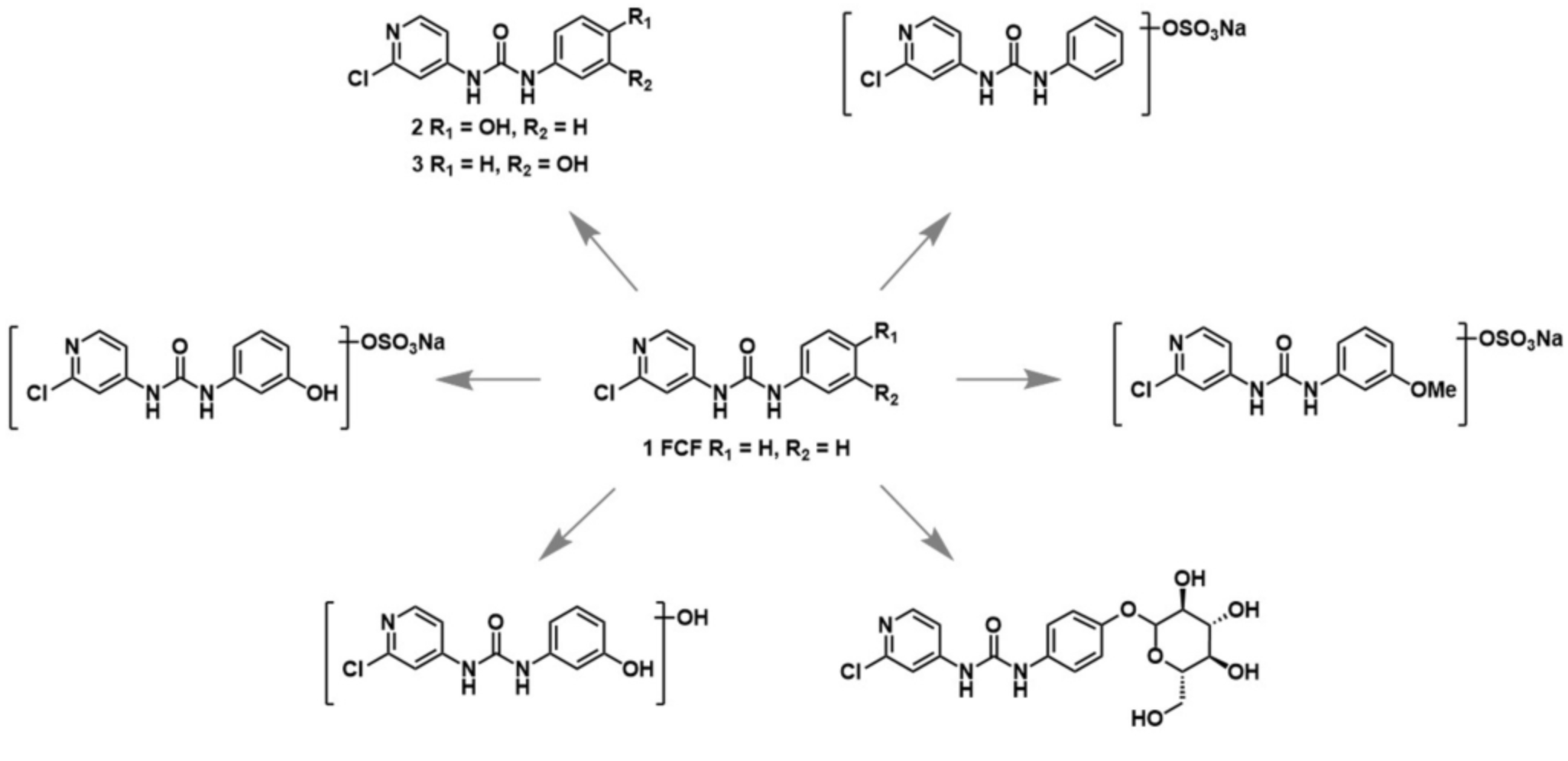
CPPU is used in agricultural plant growth regulator formulations associated with cell division and fruit-development management. It is commonly considered for grapes, kiwifruit, melons, and other suitable fruit crops.
Foliar formulations provide one application format, while selected products may also be designed for controlled fruit-treatment methods. Concentration and treatment conditions should be established for the specific crop, growth stage, and registered application.
CPPU may be incorporated into formulations intended for fruit-setting and fruit-development programs. Its effects depend on application timing and concentration, making accurate formulation and dosing important technical considerations.
The ingredient can also be evaluated for compatible fertilizer blends. When combined with fertilizer components, formulators should assess active-component stability, pH, physical compatibility, and finished-product behavior during storage and dilution.
Application rates, crop uses, treatment methods, and product claims should comply with the registration and regulatory requirements applicable to the intended market.
Commercial CPPU technical material is primarily standardized according to Forchlorfenuron content. Technical grades of 98%–99% TC are distinct from finished products such as 0.1% SL, 1% SP, and 2% SP.
Routine quality-control parameters include:
HPLC assay provides quantitative determination of the active component and is an important parameter when comparing technical and formulated grades. Buyers should confirm whether the declared percentage represents technical material or a finished formulation.
Quality evaluation may reference NY/T 4570-2025 where applicable. A batch-specific COA can provide corresponding analytical results. Technical crystalline powder should be stored in sealed packaging under dry conditions and protected from excessive heat and direct sunlight.
If you are interested in the product, contact 2bvideo.com for more information for more information
The information of 2bvideo.com limited shown above is provided by the user or collected on the network. Video 2B does not guarantee the authenticity,accuracy and legitimacy of 2bvideo.com limited information. Video 2B does not involve legal relationships and disputes between users arising from transactions other than secured transactions on this website. Disputes shall be settled by you through negotiation. If you are the person in charge or relevant employee of this enterprise, if you find that the enterprise information is incorrect or want to manage thiscompany, please contact us jacklee1558@gmail.com, after you claim the enterprise, you can obtain management permission, publish supplyand demand information, bring consulting orders, and remove page advertisements.
Main Product:
Raw health products,
Food Additives,
Cosmetic Raw Materials,
Enzyme Supplements ,
Protein Powder,
Health supplements


